Table of Content
One of the biggest mistakes that you can make is to try to mow the weeds where stink bugs reside. This will not get rid of them; the bugs will simply move into adjacent trees. Your stink bug management approach may depend on the vegetation around your home and the level of infestation your property has incurred. Keep in mind that most stink bug infestations will occur near uncultivated areas. These bugs love to move to ground covers in the weeds where uncultivated areas dry up.
Sadly, if people were to start early and get rid of them from the outdoors, such as the garden, they would ever make their way into the home- at all. Sarah is a freelance journalist and editor writing for websites, national newspapers, and magazines. It's no big surprise that she likes to put what she writes about into practice, and is a serial house revamper.
Stink Bugs
Leave stink bugs intact to prevent the release of their odor. You may have to take extra steps if you grow crops that stink bugs prefer, such as corn, berries, alfalfa, and wheat. Keep your gardens and orchards free of weeds, especially if you have these crops on your property.
Bug traps, homemade solutions, vacuuming, and pesticides can kill stink bugs. But many stink bugs have developed a resistance to commercial pesticides, and their stench makes it extremely unpleasant to squash them. While there are a few natural methods to kill stink bugs, your best mode of defense is preventing them from entering your home in the first place. Notorious for their smell, brown marmorated stink bugsfrequently enter homes during the cooler months in search of a warm place to overwinter. While stink bugs do not pose a health or property risk to homeowners, this pest can quickly become an odoriferous nuisance around the home.
How to Kill Stink Bugs and Keep Them out of Your Home for Good
Because stink bugs are looking to overwinter inside your walls, prevention needs to start in the fall. During the fall, they look for places to hide as their body goes into an inactive, diapause state. Hundreds of stink bugs can find hiding places in cracks and holes inside your walls. I’ve put together a guide to help you control stink bug presence in your home. Included in this guide are answers to some of the most common stink bug questions. I’ve also included various methods of stink bug control.

There are many different recipes you can try and it’s impossible to list every single one here, as some may work for your species of stink bug and some won’t. After that, see how they perform and how many pests you can trap, kill, or repel. For example, you don’t want to use something like peppermint oil around your kitchen, because the smell from the oil will be strong and you’ll be sniffing it all day. If you have plants indoors, they may find that as a suitable place to lay their eggs.
DIY Prevention Methods
Though you’ll have to put up with the odor, it may also serve as a warning to other stink bugs. If you don’t have door sweeps on each exterior door of your house, stink bugs will find their way inside. The first step in preventing stink bugs is to make sure there are no open invitations for them. Check the exterior of your home for holes, cracks, and spaces that may look like the perfect winter hideout for stink bugs. Another way to trap stink bugs is by using a sticky trap. These traps work with several kinds of pest, including stink bugs.

You can even sprinkle it around the pan used in the light trap described below. Sprinkle diatomaceous earth around the foundation of your home and along outside windowsills and keep bugs at bay. Cynthia Lawrence specialises in Homes ecommerce, covering all things homes and garden-related. She has a wealth of editorial experience testing the latest, ‘must-have’ home appliances, writing buying guides and the handy ‘how to’ features. Find licensed pest control experts in your area and get free, no-commitment estimates for your project. For large window screens, use 2 dryer sheets to cover their entire surface.
Trapping and Baiting
You can buy pest tape at any hardware store, and you create your own stink bug traps using this tutorial. I cover how to make one later on in this guide, and also how to make your own essential oil for them. Some homeowners have reported that these can be used to get rid of stink bugs.
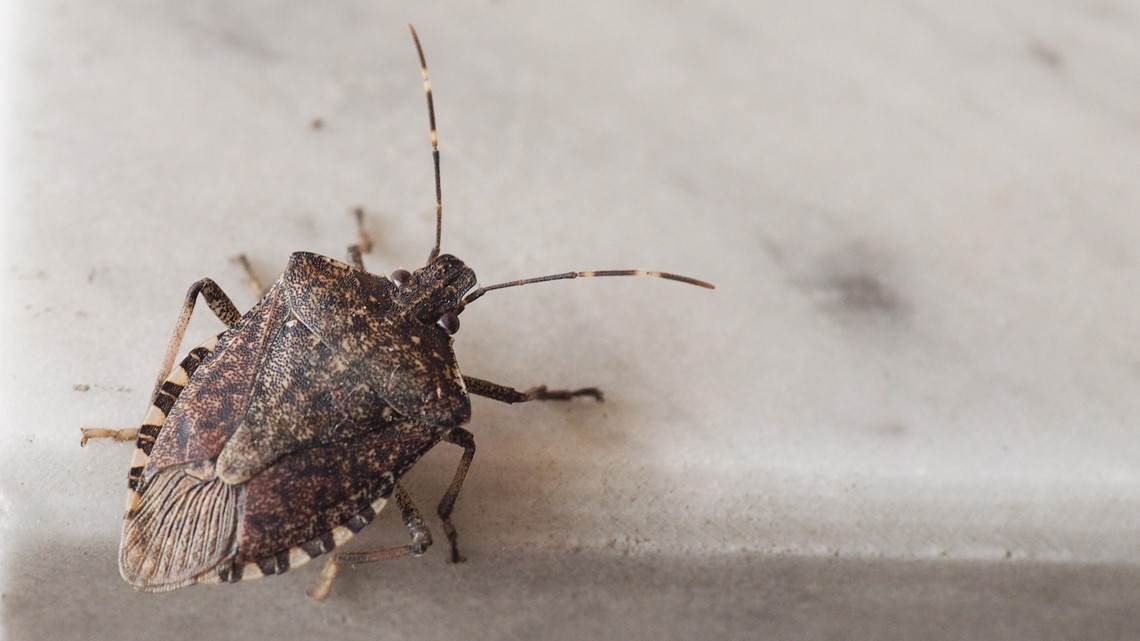
Stink bugs will become a pest in your house during the colder seasons. These two states seem to have more stink bug problems compared to other states. Stink bugs naturally are in your home for the colder season and you’ll often see them on sunny parts of your home, such as countertops, and reflective surfaces also. Stink bugs can cause damage to plants, as they’ll suck up the nectar for themselves.
Leave sticky traps or DIY bug traps around the home in areas you don’t monitor so they can passively check for bugs, then check on them once every so often. The thing to keep in mind is that they’ll stink up your vacuum if you don’t change the bag or empty the canister right away. They’ve all made their way into your home as soon as the temperatures dipped and this is why you have so many stink bugs at once.

You might also know that they release a nasty smell when they’re threatened as a natural defense, and the same happens if you squash them . The malodor also hangs about after the bug is dead – for example if it has expired in a light fitting. Stink bugs gain entry into structures through cracks, crevices, gaps and holes in foundations, window and door frames, soffits, attics, and underneath siding. The most active season for stink bugs is primarily March through September. But, if temperatures rise significantly during the winter, stink bug season can continue well into the winter months. Set your trap up at night, wherever you see the most bugs congregating; this could even be your attic or basement.
Inspect items such as boxes containing holiday decorations and grocery bags before bringing them indoors. Stink bugs can travel on these items and make themselves cozy once inside the home. Eliminating all moisture build up around your home can go a long way to help prevent many pest infestations.
As an agricultural pest you will start seeing damage to your vegetable plants and fruit trees. Dish soap – A little bit of dish soap in a spray bottle makes for a pretty effective weapon against the smelly menace. Notorious for their "smelly" reputation, stink bugs frequently enter homes during the cooler months in search of a warm place to overwinter. Like other pests, including ants and termites, stink bugs often enter structures in larger numbers, making stink bugs difficult pests to control once inside. Like most pests, stink bugs are attracted to traces of food and food sources.



No comments:
Post a Comment